War Room
War Room turns fragmented sources and team knowledge into one decision case: what changed, what remains unknown, which options exist and what requires approval. The decision, the action and the later outcome remain part of one story.
One decision case
instead of twenty sources.
Daily Brief
What changed since the last review, why it matters now and what needs a response today.
What‑If options
Courses of action with explicit impact, risk and the assumptions they rest on.
Explicit uncertainty
What we do not know is written next to what we do. No smoothing over gaps in the data.
Human decision
The choice belongs to the person entitled to make it. Approval is a separate, recorded step.
Outcome history
After the decision, the result returns for observation and reassessment — the case does not end at a click.
Evidence linkage
Every claim in the case leads back to its source. A provenance graph instead of a footnote from memory.
Signal · options
decision · loop.
Signal
A change picked up from external sources and team knowledge, described together with when it occurred.
Options
Scenarios with stated impact, risk and confidence — comparable side by side.
Decision
A human choice and a separate approval, both recorded in the case audit trail.
Loop
The result returns to the case as material for reassessment — decision and outcome remain one story.
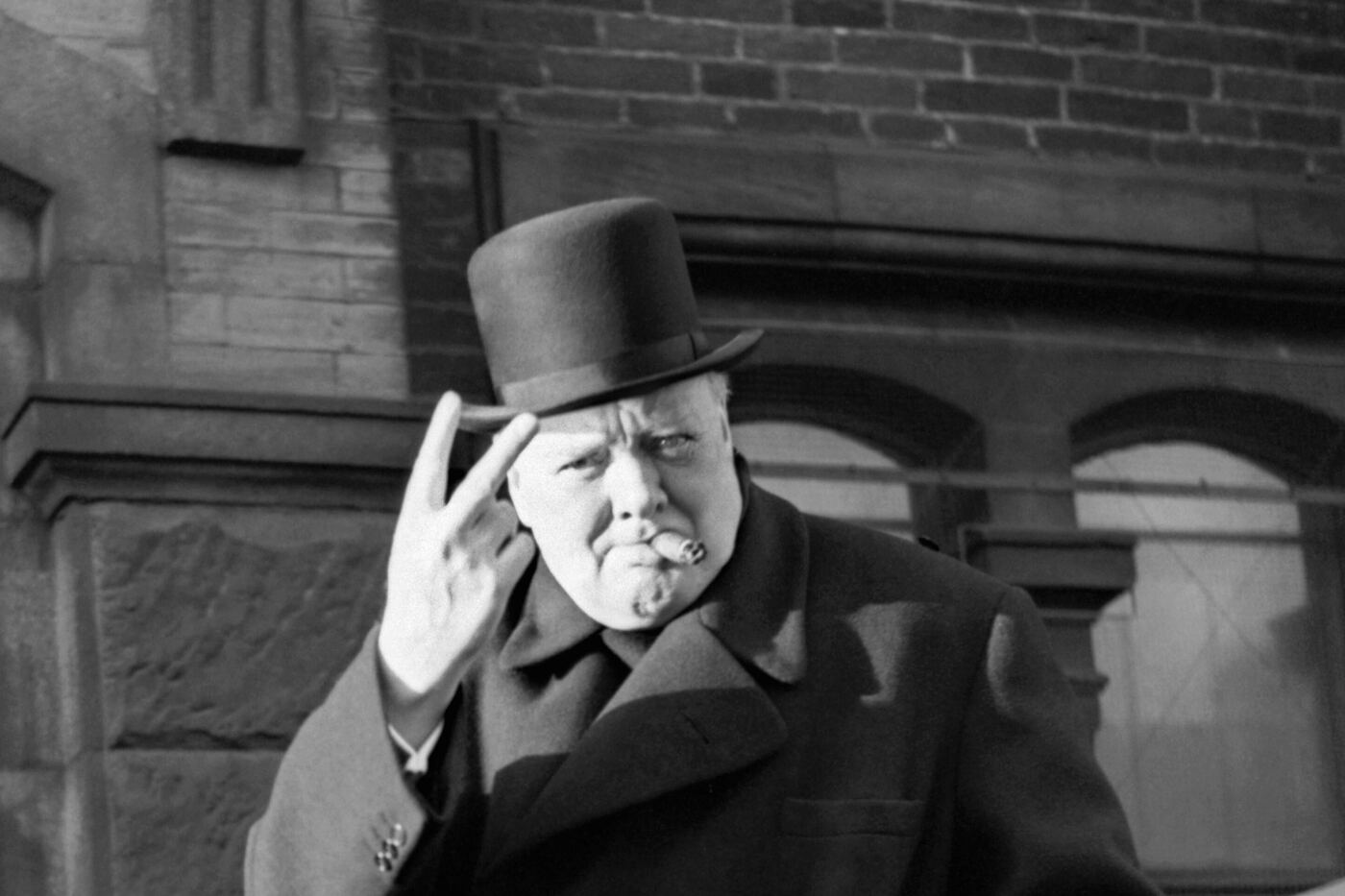
The original ran underground.
The Cabinet War Rooms beneath Whitehall: maps updated around the clock, signals from every front, and a human making the decision — recorded, dated, tied to its outcome. War Room carries that pattern into regulated organisations.
Where a decision
must be justified after the fact.
The system does not decide
on a human’s behalf.
War Room prepares the case: it collects signals, links them to evidence, sets out options and names the uncertainty. The choice and the approval stay with the person entitled to make them.
That separation is deliberate. A recommendation without a human signature is not a decision, and a decision without an evidence trail is not accountable.
Protecting
the advantage.
Proving the actual effects of an agent’s actions
A method for proving the actual effects of an agent’s actions, verifiable by an independent third party.
An agent that cannot act outside control
An architecture in which the agent, by design, has no ability to perform an action outside the organisation’s control.
Stopping a sequence of small actions
Stopping a sequence of small, seemingly permitted actions that would collectively breach limits — before harm occurs.
> Patent application filed with the Polish Patent Office (UPRP) in July 2026. Filing an application is not the same as being granted protection.
> Families A and C remain in preparation — numbers and priority dates will be added once filed.